
The Black civic tradition
By Anyia Griggs
Door canvassing as a tactic for political engagement predates the Roman Empire. It has long been regarded as the most personal and accurate form of voter engagement. We can look to the campaigns of President Barack Obama, Stacey Abrams and Beto O’ Rourke to see, win or lose, the sheer impact grassroots organizing has on electoral outcomes. Today, as tensions rise and party polarization widens, AART continues to employ this tactic, not to ask for candidate support, but to hear our neighbors personal stories and learn the ways the current political climate impacts their day-to-day lives.
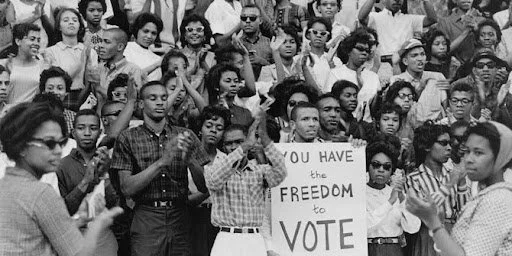
Black Americans are no stranger to disenfranchisement. Disenfranchisement is the state of being deprived of a right or privilege, especially the right to vote. A steady history of voter suppression has created reluctance in participation and the age-old concern that our votes do not really count. But history also shows us how untrue that sentiment is. In 1869 Black men in America were granted the right to vote and immediately exercised said right to hold offices in Southern states and take up space in legislative matters. In retaliation, this was counteracted with grandfather’s clauses that kept former slaves and their descendants from voting. As a result, registered Black voters dropped from 44.8% in 1896 to 4.0% four years later. This push back continued through Jim Crow laws which enacted literacy tests, poll taxes and various forms of disenfranchisement to keep the Black vote from influencing political outcomes. Thanks to the groundwork of the organizers and activists of the Civil Rights Movement, the Voting Rights Act was signed and given various extensions through the years to strengthen and lengthen its protections.
Within the last two decades, however, we have seen a rise in voter suppression that seemingly targets the Black vote. Hyper specific voter ID laws, limited polling locations, lack of cohesion in voter education and more have all colluded to undermine election integrity and instill doubt in the political process. But I must ask you, if our vote truly does not matter, why do they go to such lengths to deny our access? Because history shows when given equal opportunity, the Black vote can sway electoral outcomes and influence policies. Field organizing and tactics like door canvassing help to shorten the gap in access to voter education. By bringing this wealth of knowledge to our people’s doorsteps, they can get their specific questions answered and engage in a process they otherwise might ignore.
This year is not only about the midterm elections that determine the fate of the federal government. There are local races that directly impact your commute to work, the quality of your children’s education and the way our tax dollars will be spent. It is important to lean on the work of our ancestors who fought tirelessly for voting rights, many of whom are still living to tell the tale of a history not too far behind us, to be our guiding light as misinformation spreads. Your vote matters, and in the great swing state of Wisconsin where elections are often determined by less than 1%, your vote matters even more.
The Wisconsin Spring Election will be held on April 7. The August Primary Election will be held on August 11, and the November General Election will be held on November 3. Make a plan for you and your family to vote. Go to vote411.org/wisconsin or myvote.wi.gov to check your registration status, see important deadlines for absentee voting and get a sample of what will be on your ballot.
Help us increase access to political education by signing up to knock doors with AART this Summer at https://bit.ly/AART2026Canvass.
Anyia Griggs serves as the African American Roundtable’s Canvass Manager.
