
La Migra, La Policía, La Misma Porquería
By Yolanda Odufuwa
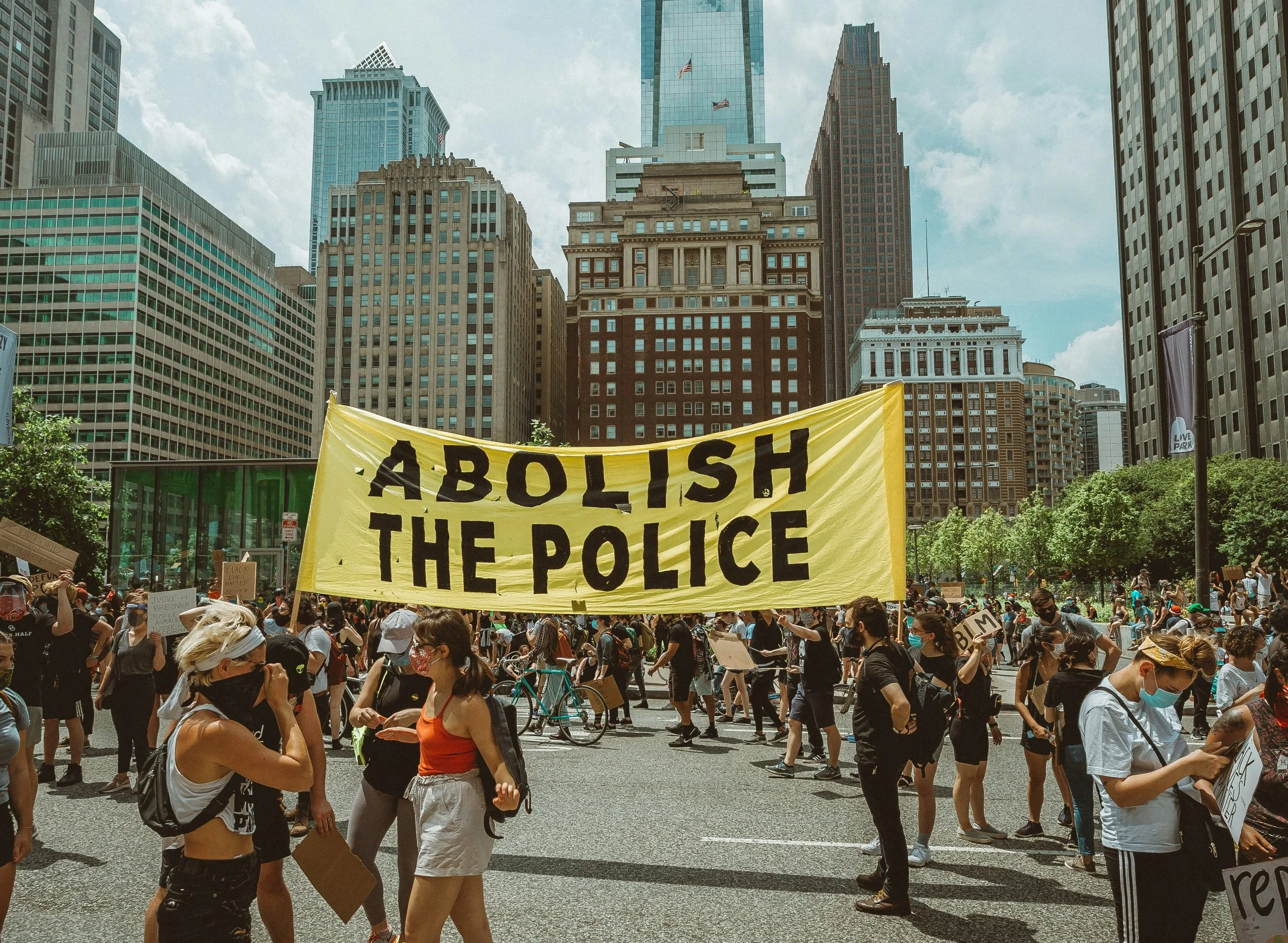
As federal forces terrorize the streets of Minneapolis and our siblings in Milwaukee prepare for the inevitable, there are a myriad of raw feelings and unanswered questions. Many of us wonder, how will we respond? How can we prepare? But communities that are familiar with structural neglect and violence know that this latest enemy and their tactics are not new; they simply wear different badges.
The violence of ICE and the violence of local policing are rooted in the same white supremacist colonial logics, which attempt to displace, capture, and suppress those of us outside of the identities this regime has assigned value and humanity (“citizen,” white, cisgender, etc.). Milwaukee’s policing history shows how the powerful designed these institutions with the intention to diminish groups deemed “other” or “trouble”. The MKE Common Council authorized the creation of the police force in 1855. Its establishment coincides with the general property control and order maintenance era. In MKE specifically, the Black working class was targeted in this policing effort to maintain segregation and white economic interests. In other words, the aim was (and still is) to keep certain areas wealthy and white, while other areas fall apart at the seams. ICE, a federal force, was established in 2003 as an extension of the xenophobic ‘war on terror’. Under the guise of “security,” agents implement racist and xenophobic surveillance and removal policies that perpetuate longstanding practices of subjugation and control of nonwhite "alien others." Both institutions strive to affirm a myth that policing and control will produce safety and economic prosperity. They depend on violence and control to maintain social and economic orders beneficial to white American property owners.
Centuries of American governance show us that this myth is not only bankrupt, but it also permeates our understanding of what and who makes a community strong and/or valuable. Our budgets, the reflections of what our leaders choose to invest in, show their values and who they value. In 2025, the ICE budget, at almost $29 billion, was nearly triple the amount of the previous year's budget.” Here in Milwaukee, over $300 million (42% of the budget) is invested in policing annually, while healthcare, libraries, and youth programs make up less than 5% of the city budget. After many hard years, the Common Council finally voted in April 2025 to approve the MKE Community Impact Fund, which will give residents real decision-making power over public funds that will improve our communities. The violence of state forces is not only legitimized by investment but also through the concentration of power at the top. In contrast, Participatory Budgeting (PB) builds power from the bottom up; it does not wait for the state to determine who and what are worthy of investment. The communities most impacted by ICE and policing are the most fit to determine how we continue to live. Participatory budgeting (PB) is not a one-size-fits-all solution to the compounding crises we face, but it is a demonstration of community-building rooted in affirming life. The latest waves of state violence have pushed many of us into states of panic, freeze, or numbness. These feelings are important; they are information to assist in evaluating our conditions. However, now more than ever, we must PUSH. All of us in the movement for liberation know deeply that the safest hands are our own. We cannot wait for the “right conditions” to advance PB; we need the creation and advancement of projects that keep folks of various statuses out of the bind of state violence.
So, to the question of how do we respond? We do what we have always done. Demonstrate that there are alternate ways of doing, believing, and being, outside of the violent white supremacist structures, enabling federal, state, and local forces (pigs). The abolitionist vision of the world we aim to create requires a reckoning with the troubled category of “citizen”, it requires us to release these myths to build true democratic processes that affirm life, care, and trust. PB is one experiment of millions calling on all of us to directly articulate the changes we need and direct our money to those services. Each of us has a duty to locate our role(s) in changemaking, whether you find a political home in AART, protest, or become a PB participant; those actions have impacts. Although uncertainty lingers, the fact that we are still pushing demonstrates we are not broken nor defeated.
We will not wait for political leaders to “see the light” and invest in us; we demand our dollars go directly to the services that keep us safe, and that never has or ever will be the police (in all forms).
As always,
All Power to The People.
Chinga la Migra.
Yolanda Odufuwa (They/She) is a member of AART serving on the PB and political education committees. They currently work as a Program Strategist with the WEBB at Walnut Way Conservation Corp., A Black-led environmental justice organization facilitating the leadership of frontline communities to transform our water, land, and energy systems.
